
The Burdick Award
Talk about unexpected.

Talk about unexpected.
Last Monday, I woke up to an email from Jason Schwartz, Co-Chair of the SABR Baseball Card Committee. For those who don’t already know, SABR is the Society for American Baseball Research, an organization that promotes the study and enjoyment of the game’s history and statistics. Every summer, they hold a conference, and one of my must-attend sessions is the one held by the Baseball Card Committee. It’s not because I am a huge card collector, but because they always have the most interesting speakers and presentations. Plus, the people in the group are great – I’m convinced that if you take any adult, no matter how jaded by life, and put them around a stack of cards, a happier person somehow emerges.
In 2020, the Baseball Card Committee established the Jefferson Burdick Award, named after the card-collecting pioneer who identified, cataloged, and named every issued set in existence at the time. You know the famous T206 Honus Wagner card that sells for millions? The “T206” designation was part of the classification system devised by Jefferson Burdick, making sets easy to identify. He later donated his entire collection to the Metropolitan Museum of Art in New York City. It’s neat to think that in the same museum that priceless Renoir’s, Van Gogh’s, Rembrandt’s, and Caravaggio’s all reside, so does a massive collection of beautiful baseball cards.
Anyway, the Burdick Award “honors individuals who have made significant contributions to the baseball card hobby.” The past winners are GIANTS in the baseball card world:
2020 – Mike Aronstein: A guy after my heart who created thousands of card sets representing everything from obscure 1930s players to modern minor leaguers!
2021 – Doug McWilliams: This is the man who TOOK THE PHOTOS for all the cards I collected back in the 1970s and early 80s!
2022 – Jim Beckett: I spent many happy hours gawking at the cards depicted in his price guides, dreaming of the day I could get my hands on a few of them.
2023 – Fred Harris and Brendan Boyd: These dudes wrote The Great American Baseball Card Flipping, Trading and Bubble Gum Book. I think the public library had to add two more circulation cards to their copy because I borrowed it so many times growing up.
2024 – Dick Perez: This fella not only brought the art back to baseball cards, but his work has influenced every baseball artist who came after him. I know – I’m one of them.
2025 – Anson Whaley: I’m a frequent visitor to his website, prewarcollector.com, where I admire the old cards and get inspiration for my own art. Every time I stop by, there’s something I have never seen before or some new discovery – and that keeps me coming back over and over again.
Like I said, GIANTS in the baseball card world.
OK, now, this is the crazy part: Jason Schwartz’s email notified me that I was the 2026 recipient of the Burdick Award!
I had no idea I was nominated, let alone that I was even worthy of such an honor. I’ve just always kind of gone along and done my own thing, telling stories of baseball’s forgotten characters and using the baseball card as a way of expressing it. The card set I created, The Infinite Baseball Card Set, is a set in name only. There is no fixed number of cards. There’s no rhyme or reason to the players I cover. Most of the “cards” only exist on my website. They’re of an odd dimension that bucks the standard 2 1/2 x 3 1/2” trading card size. Heck, I don’t even number the cards, nor do I know how many I created!
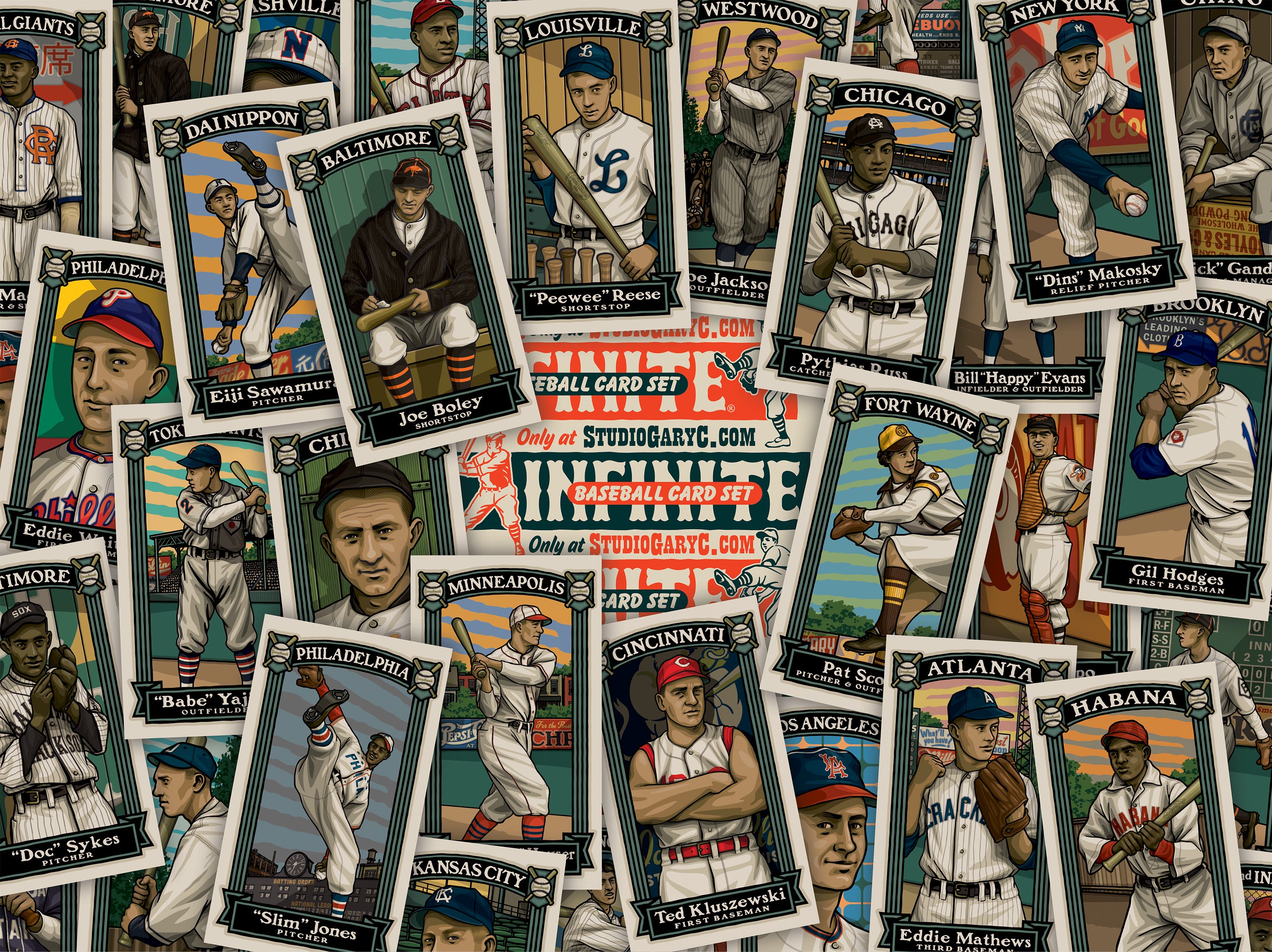
But somehow, some way, I will be the recipient of the Burdick Award this year.
I cannot fully express how honored I am to receive this recognition, but I guess what I can do is share a bit about my history with baseball cards and how they inspired my own art.
So, let’s start at the beginning.
My card-collecting days began around 1977 – at least that’s the earliest cards I remember opening from a wax pack.
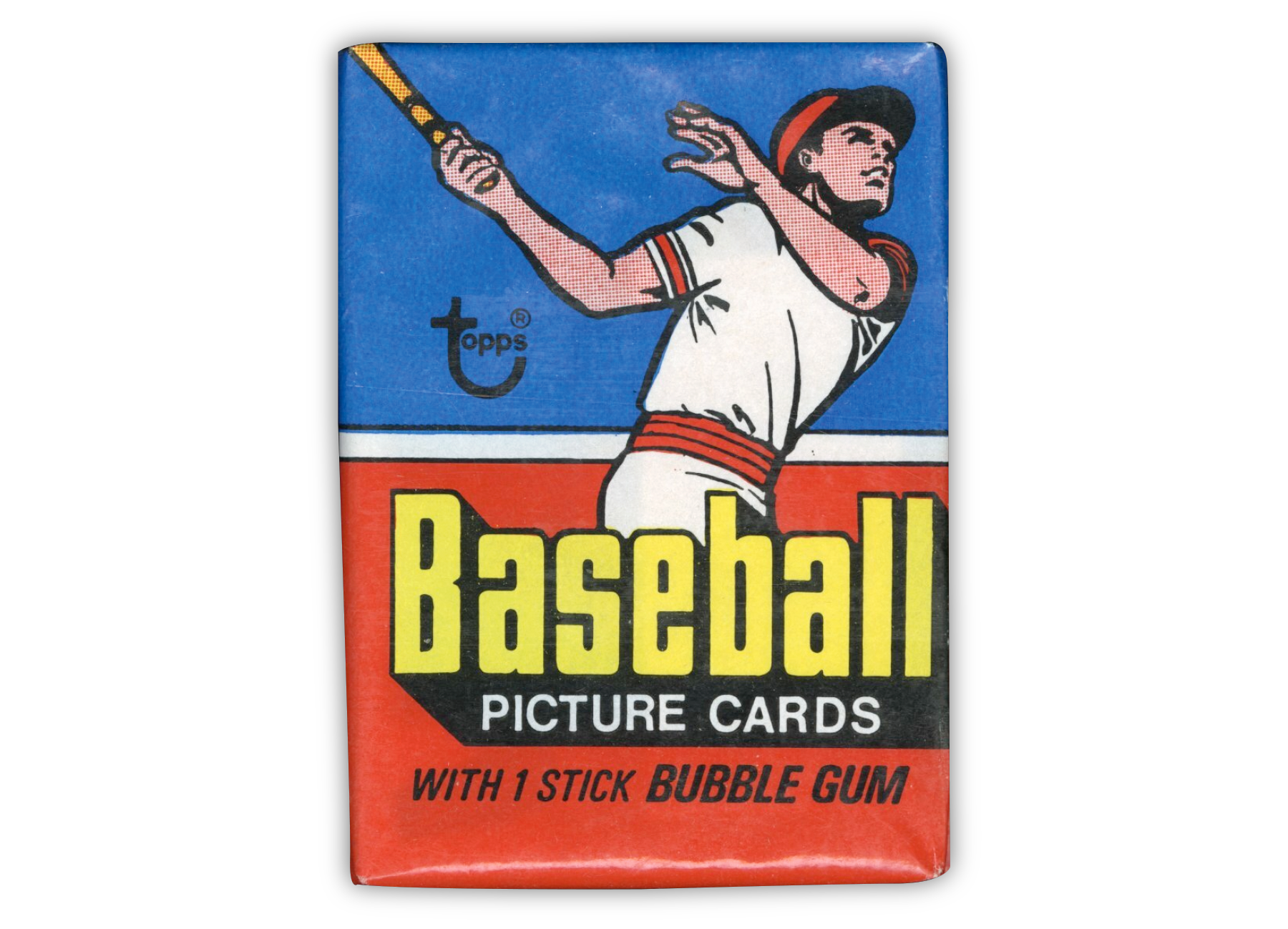
My father used to stop every morning on the way to work at a candy store at Broadway and Liberty Street in Passaic, NJ to get his “regular” coffee (in Jersey-speak, a “coffee regular” is one of those blue and white Greek paper cups full of drip coffee diluted with milk and two sugars) and a kaiser roll with butter. Occasionally, he’d pick up a pack of baseball cards, too, and bring them home for my brother and me. So I guess that’s how my baseball card days began.
As a New York Mets fan, the first thing I did was sort through the cards and put all the Amazin’s aside. No way was I trading one of those guys!
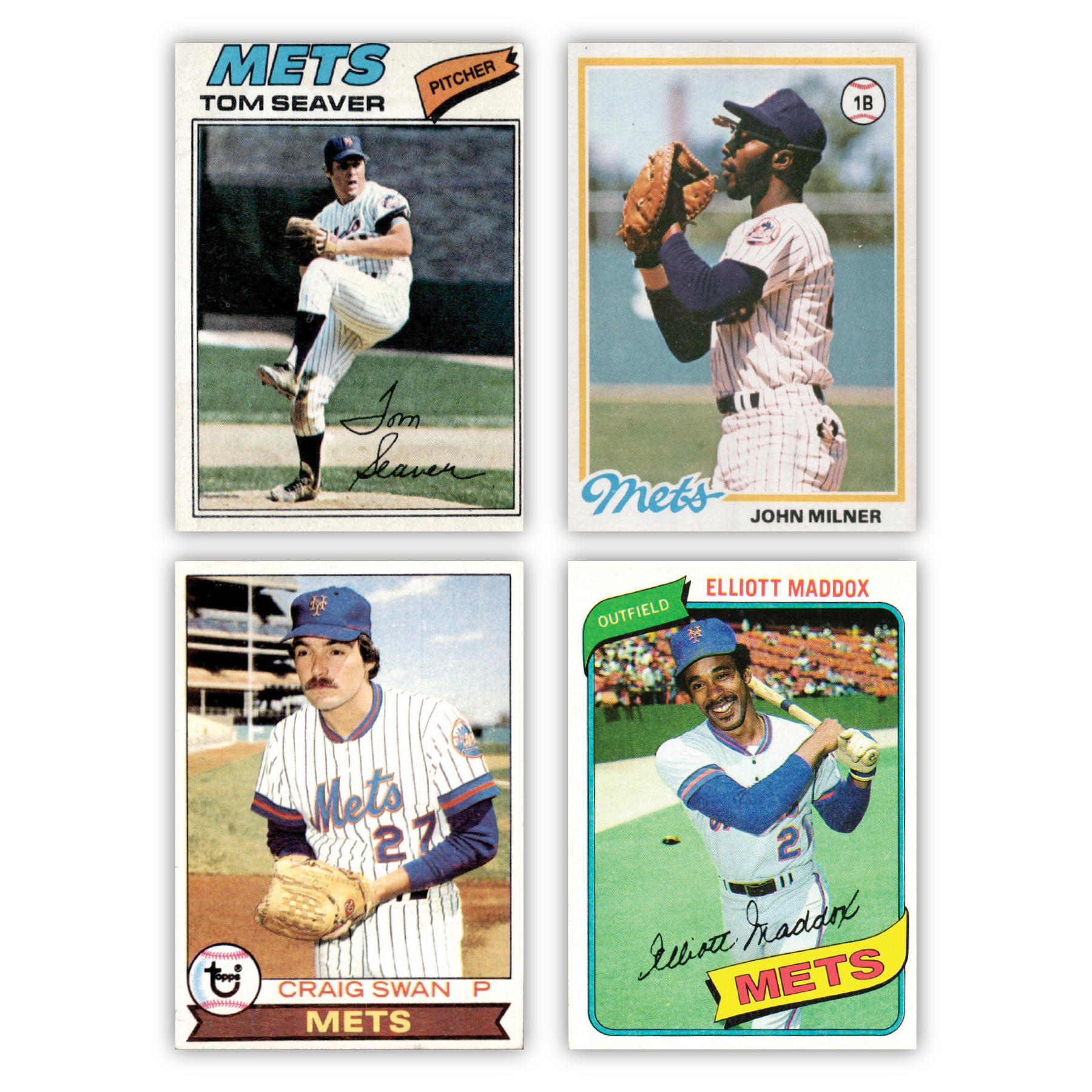
These are some Mets from the 1977-1980 Topps sets. The cards themselves are nothing special – they’re each a pretty simple design. I didn’t think much about it back then, but it’s that simplicity that makes these 1970s cards special. Compare them to ones you buy today. What is the difference? Today, there are like 500 different design elements and holograms and colors all fighting it out on the front of the card. But that’s just my opinion – obviously collectors today like the pizazz, and it sure sells like hotcakes. But to my humble aesthetic, the whole point of the card – the player image, the player’s name, and the team – is often lost in the Stalingrad-esque battle for front space dominance today.
So, those are the first cards I remember. I was content, dividing all the players onto their teams, trading for ones I didn’t have, and storing them in an old shoe box.
Then came a book that would change everything.
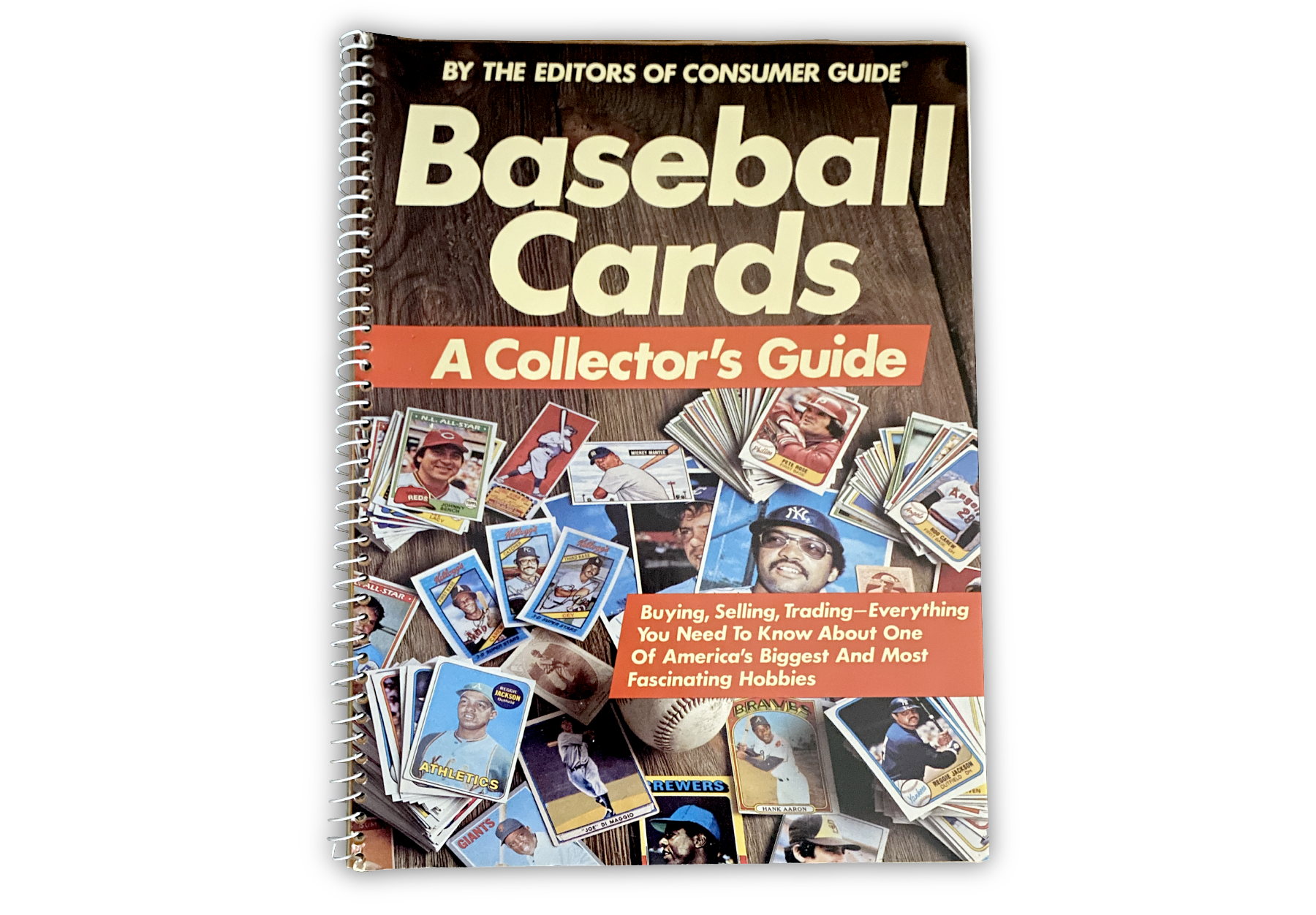
I’d don’t remember where I came upon this book, but what I do remember is poring over every page for hours at a time. It was like a whole other world opened. This is where I discovered the old cards.
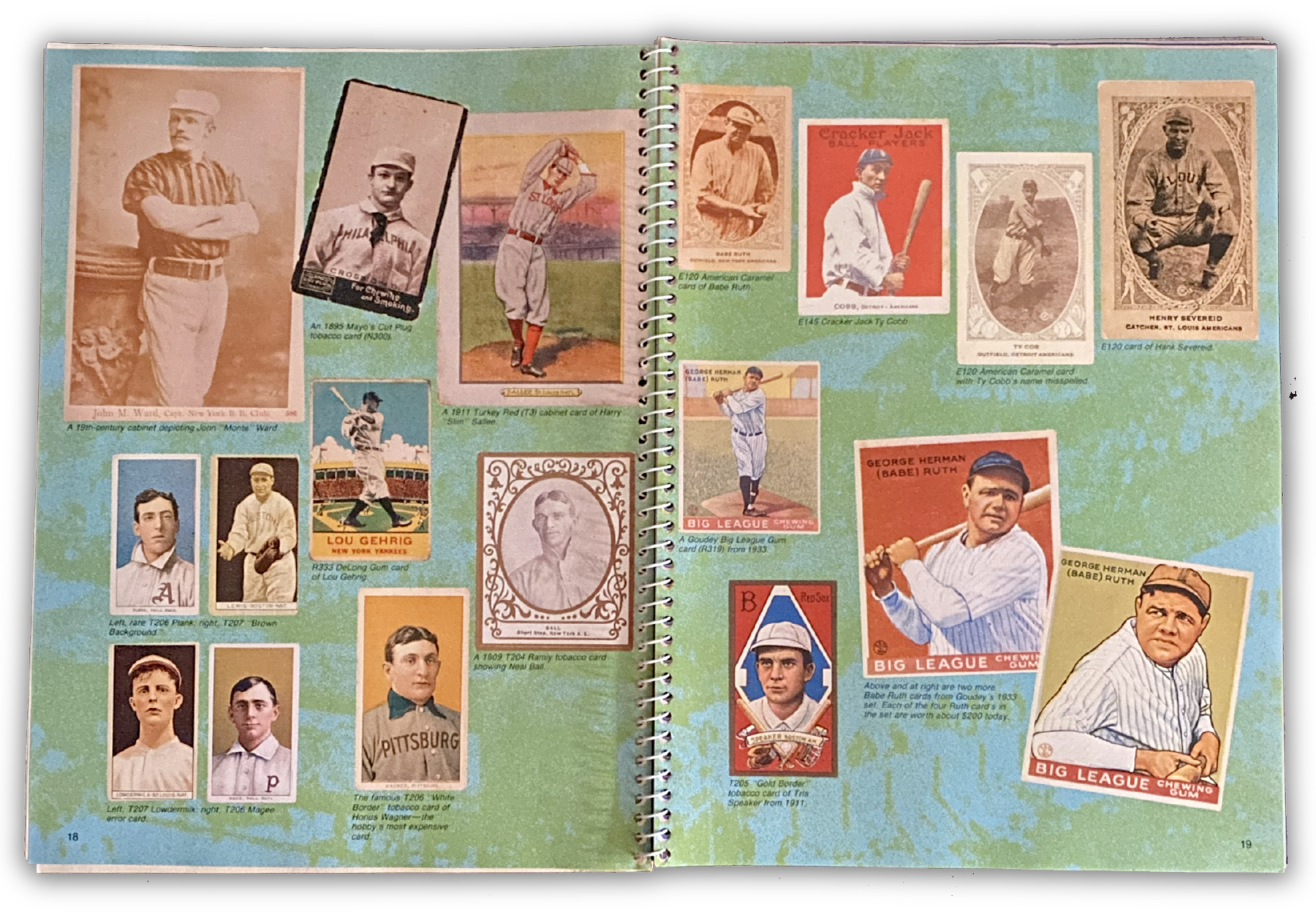
To my taste, the beauty of these cards completely blew away the ones I was buying at the candy store. As a budding artist, the fact that they were often illustrations rather than photos was a particular revelation.
I just couldn’t get enough of the beauty of these old scraps of cardboard. Even the older cards with photos were gorgeous.
After being introduced to this whole new universe of old cardboard, I wanted to find these things in real life and hold them in my hands.
Plan A was to buy them. Unfortunately, this was the high point of baseball card collecting, and people knew that what had once been considered old paper scraps from childhood were now worth a fortune. But, after going to a few of those early card shows in North Jersey, I realized I would never have enough scratch to own one of those cards I had fallen in love with.
Plan B was to ransack my grandparents’ attic in search of my dad’s old cards. I had visions of finding a box of 1952 Mickey Mantles tucked away in the rafters. But alas, all I was able to excavate was a beat-up 1960 football card depicting some goon who played for the Packers.
I was about ready to just accept that I would never be able to own any of those old cards, but suddenly, Plan C came along to offer me a more than acceptable alternative!
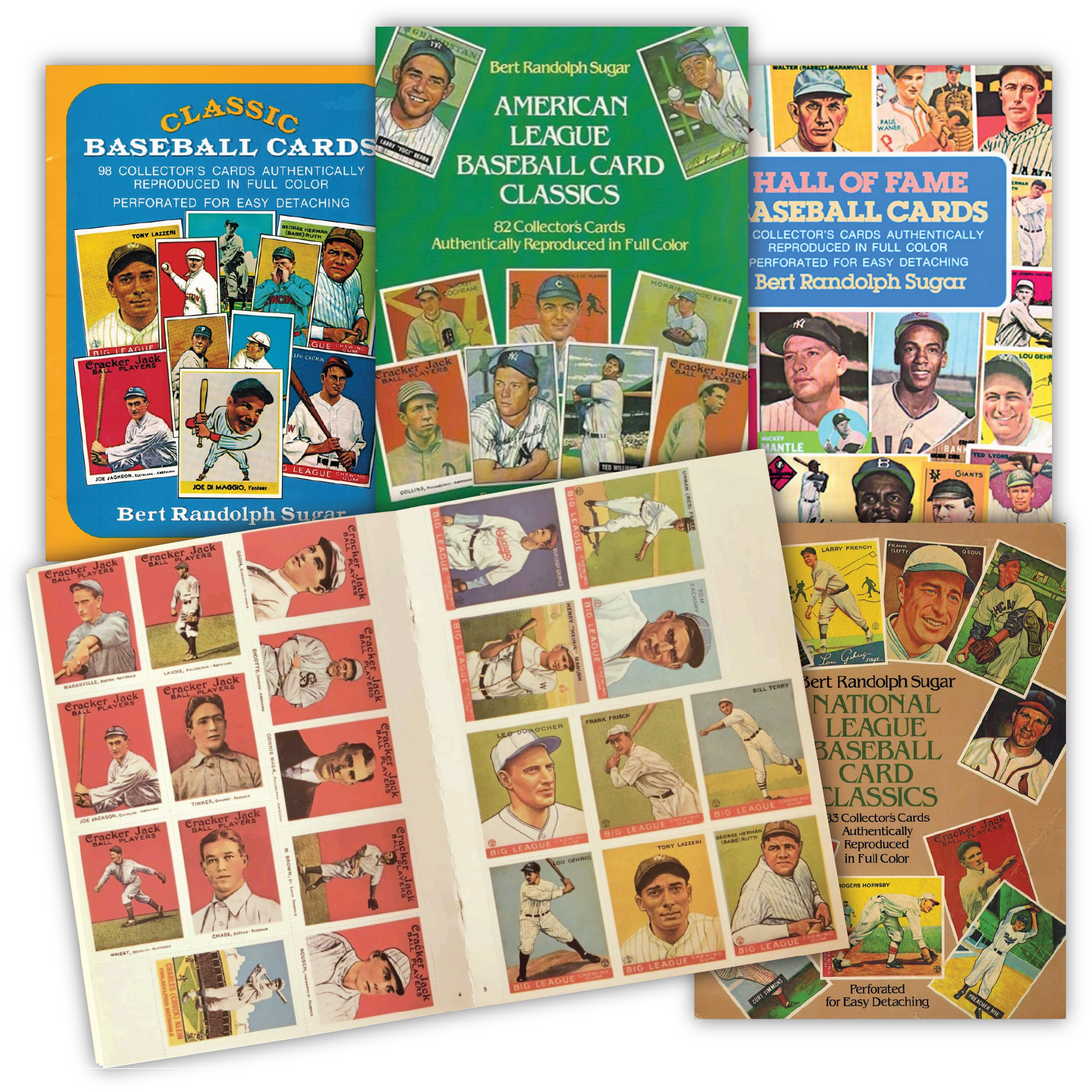
Dover Press published a set of books that had all these classic cards printed on cardstock and perforated so they could be taken out like real baseball cards. I got my hands on all the books, first through those Troll Book Fair catalogs (my God – remember those!) at my elementary school, then directly from Dover mail order.
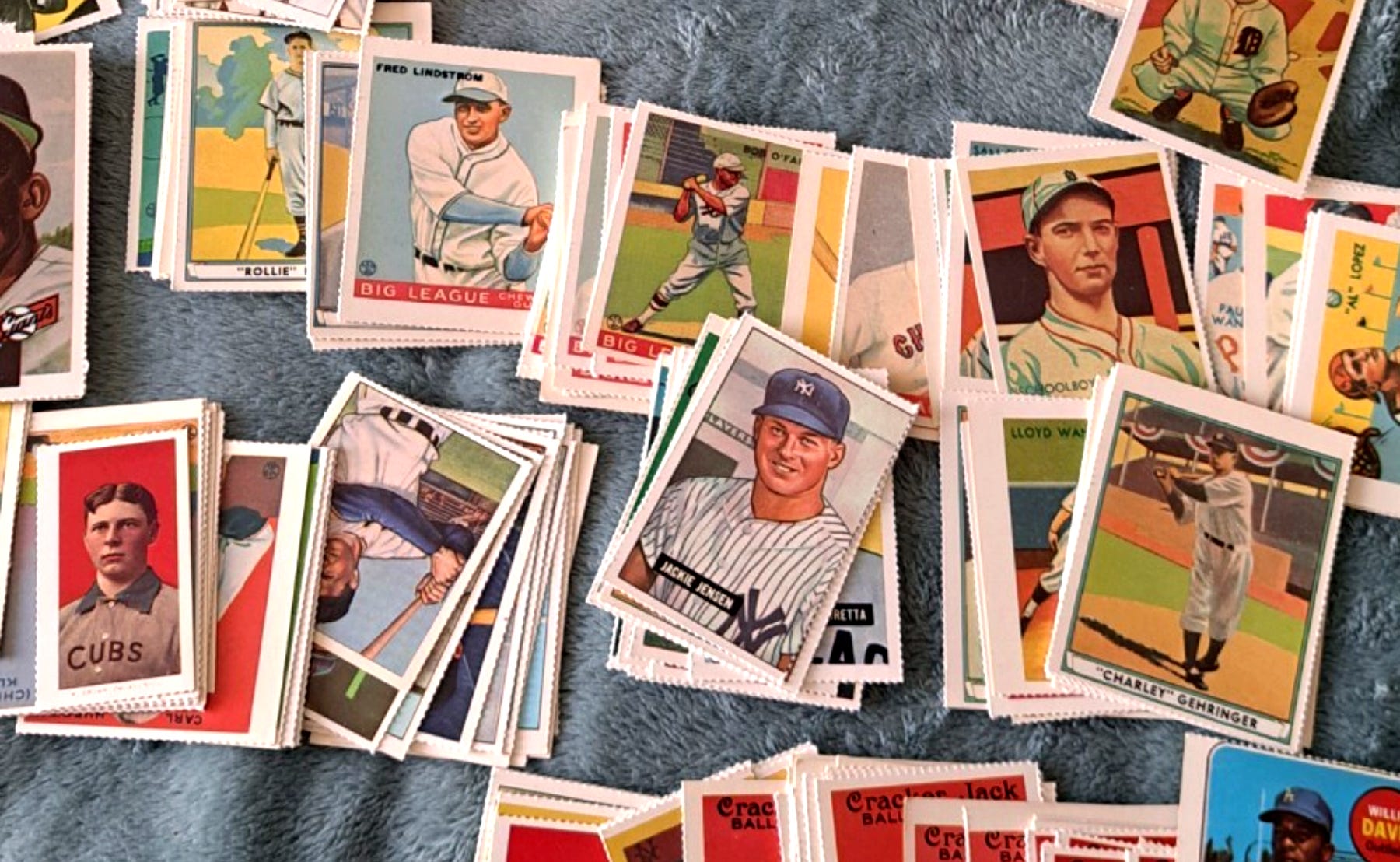
Sure, they were fake, but man, they were great to hold in my hand, put in a rubber band stack, or toss them on the floor and bask in their majestic beauty.
Well, now you know how I got introduced to baseball cards. Next, I will begin sharing some of my favorite cards, as well as the ones that inspired my own cards.
In the meantime, you can read the official 2026 Burdick Award story HERE.
And you can view and read all of my other work HERE.
Was very happy to see your name on this year’s announcement. Congratulations, Gary!
Congrats, my friend! Very cool! Those Dover Press books were a big part of my childhood, as well. Now i want to track one down!